

Equine Surgery

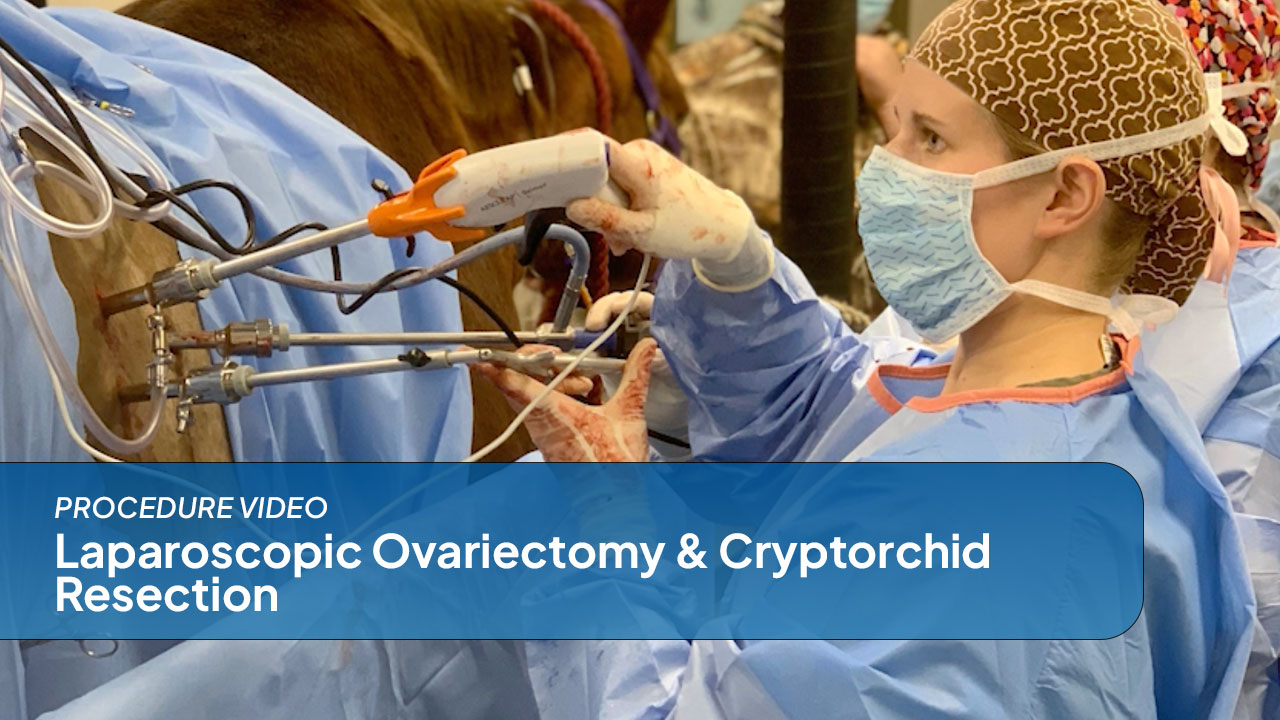
Equine Endoscopy Solutions, Laparoscopic Trocars & Instruments
VetOvation offers specialized equine endoscopic solutions, along with laparoscopic trocars and instruments tailored for veterinary procedures. Ideal for equine endoscopy diagnosis and laparoscopic surgeries including ovariectomies and cryptorchid resections.
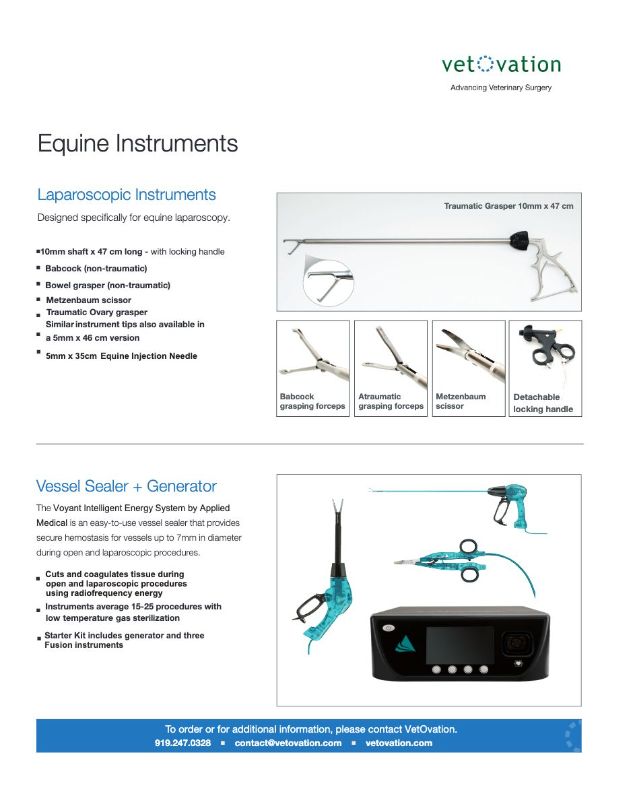
The following instruments are available:
- Equine Length Gastroscope + Systems
- Equine Length Reusable Trocars
- Grasping Forceps (traumatic and atraumatic)
- Injection Needles
- Metzenbaum Scissors
Shop Equine Surgery Products
Other Categories
-
$195.00Select options This product has multiple variants. The options may be chosen on the product page
-
$295.00Select options This product has multiple variants. The options may be chosen on the product page
-
$30.00Select options This product has multiple variants. The options may be chosen on the product page
-
Sale!$60.00 – $95.00Price range: $60.00 through $95.00Select options This product has multiple variants. The options may be chosen on the product page
Featured Videos
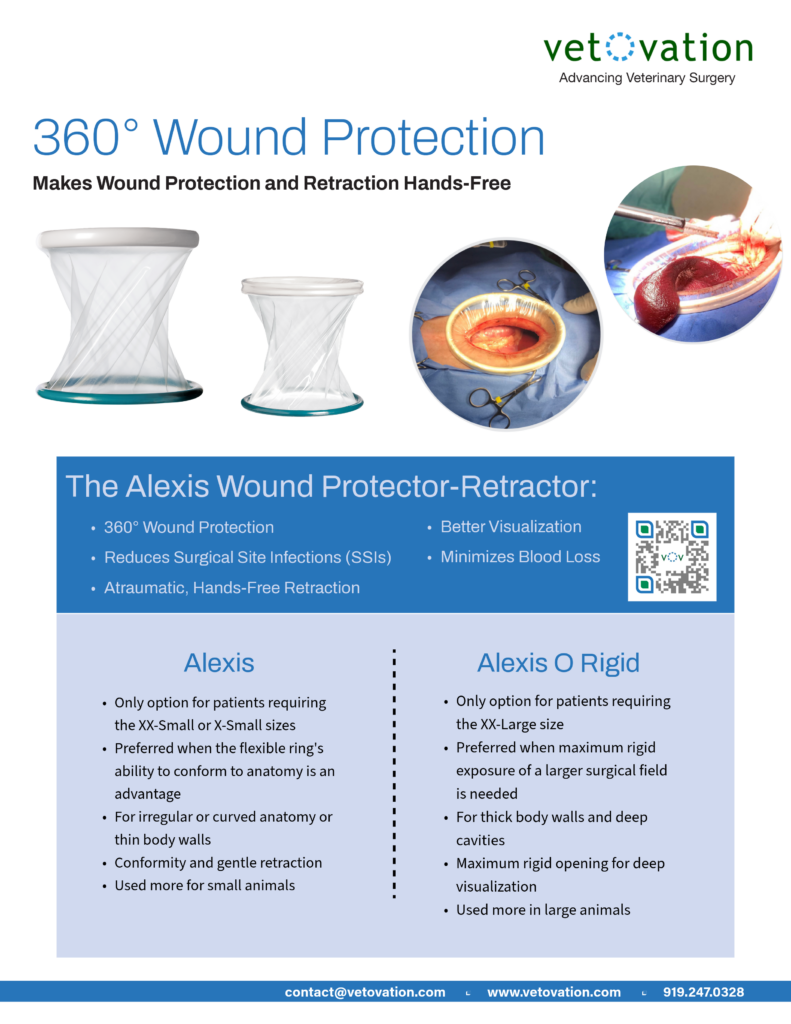
Product Brochures
Frequently Asked Questions
These FAQs answer the most common questions veterinarians ask about equine laparoscopic instruments, trocars, and minimally invasive surgical equipment. The information below covers common procedures, instrument selection, trocar systems, and the benefits of equine laparoscopy to help practices perform safe and efficient large animal surgeries.
What is equine laparoscopy?
Equine laparoscopy is a minimally invasive surgical technique that allows veterinarians to examine and treat structures within the abdominal cavity using a camera and specialized instruments inserted through small incisions. Many procedures can be performed in standing horses, reducing recovery time and minimizing surgical trauma compared to traditional open surgery.
What procedures can be performed using equine laparoscopic instruments?
Equine laparoscopic instruments are commonly used for ovariectomy, cryptorchid castration, abdominal exploration, biopsy collection, and other minimally invasive abdominal procedures. These techniques provide excellent visualization while reducing tissue trauma and postoperative discomfort.
What is a laparoscopic trocar used for in equine surgery?
A laparoscopic trocar provides access to the abdominal cavity during minimally invasive surgery. The trocar consists of a cannula and obturator that create and maintain a portal through which laparoscopic cameras and surgical instruments can be introduced safely into the abdomen.
Why are equine laparoscopic instruments different from small animal instruments?
Equine laparoscopic instruments are designed with longer shafts and larger working lengths to accommodate the size and anatomy of horses. These instruments provide the reach, strength, and durability needed for standing equine procedures while maintaining precise instrument control.
What instruments are commonly used during equine laparoscopic surgery?
Common equine laparoscopic instruments include grasping forceps, atraumatic forceps, ovary graspers, Metzenbaum scissors, injection needles, vessel sealing devices, and reusable trocars. These instruments allow surgeons to grasp, dissect, seal, and remove tissue during minimally invasive procedures.
What are the benefits of minimally invasive equine surgery?
Minimally invasive equine surgery typically results in smaller incisions, reduced postoperative pain, less blood loss, and faster recovery compared to traditional open surgical approaches. Improved visualization may also enhance surgical precision and overall patient outcomes.
How do I choose the right equine laparoscopic instruments for my practice?
The ideal instruments depend on the procedures you perform, the size of your patients, and your preferred surgical techniques. Factors such as shaft length, instrument diameter, jaw design, and trocar compatibility should be considered when selecting equine laparoscopic equipment.
What training is recommended before performing equine laparoscopy?
Veterinarians should complete hands-on training in laparoscopic techniques, equipment setup, insufflation, port placement, and instrument handling before performing advanced equine laparoscopic procedures. Proper training helps improve procedural efficiency, safety, and surgical outcomes.