

Explore
Laparoscopy

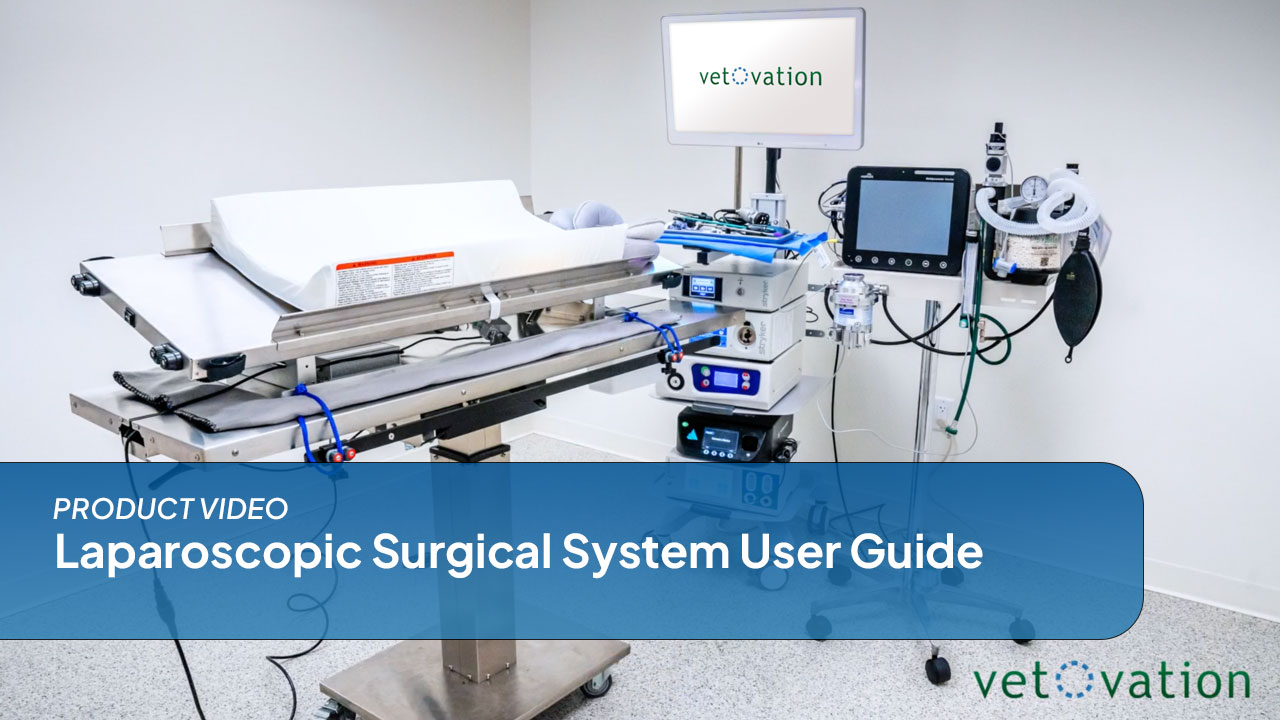
Vetovation provides the highest quality innovative equipment along with industry leading training and customer support for veterinarians.
Our veterinary surgical systems are comprised of the best equipment in the industry. In an effort to meet the needs of a veterinarian wanting to adopt minimally invasive surgery, we have new as well as certified pre-owned equipment. VetOvation also provides hands-on installation, training and onboarding support to help practices integrate laparoscopic spay safely and confidently, as well as other types of laparoscopic procedures. Our partnerships with market leaders allow us to provide veterinary practices with innovative and high-quality technology that are the standard of care in human medicine.
Laparoscopy Categories


Shop Laparoscopy Products
Other Categories
-
$4,400.00 – $4,800.00Price range: $4,400.00 through $4,800.00Select options This product has multiple variants. The options may be chosen on the product page
-
$5,000.00 – $5,800.00Price range: $5,000.00 through $5,800.00Select options This product has multiple variants. The options may be chosen on the product page
Testimonials
Frequently Asked Questions
Below are the most common questions veterinarians ask about our laparoscopic, arthroscopic, and endoscopic surgical system. These answers provide clear guidance on how minimally invasive equipment works, why it benefits patients, and how to choose the right instruments for your practice.
What are the benefits of minimally invasive surgery in veterinary patients?
Minimally invasive surgery reduces tissue trauma, postoperative pain, and recovery time for veterinary patients. Smaller incisions also lower infection risk and improve visualization for the surgeon. These advantages make laparoscopy and endoscopy ideal for both routine and advanced procedures.
Why should I choose your laparoscopic and endoscopic instruments for my practice?
Our instruments are designed specifically for veterinary anatomy, durability, and workflow efficiency. They provide excellent visualization, ergonomic handling, and compatibility across multiple procedures. This allows practices to expand their minimally invasive capabilities with reliable, high‑quality equipment.
How are laparoscopic and endoscopic instruments used in veterinary surgery?
These instruments allow surgeons to access internal structures through small incisions using a camera and specialized tools. The system provides magnified visualization, precise tissue handling, and improved diagnostic accuracy. This approach supports safer, more controlled surgical intervention across a wide range of procedures.
What procedures can be performed with this veterinary laparoscopic surgical system besides spays?
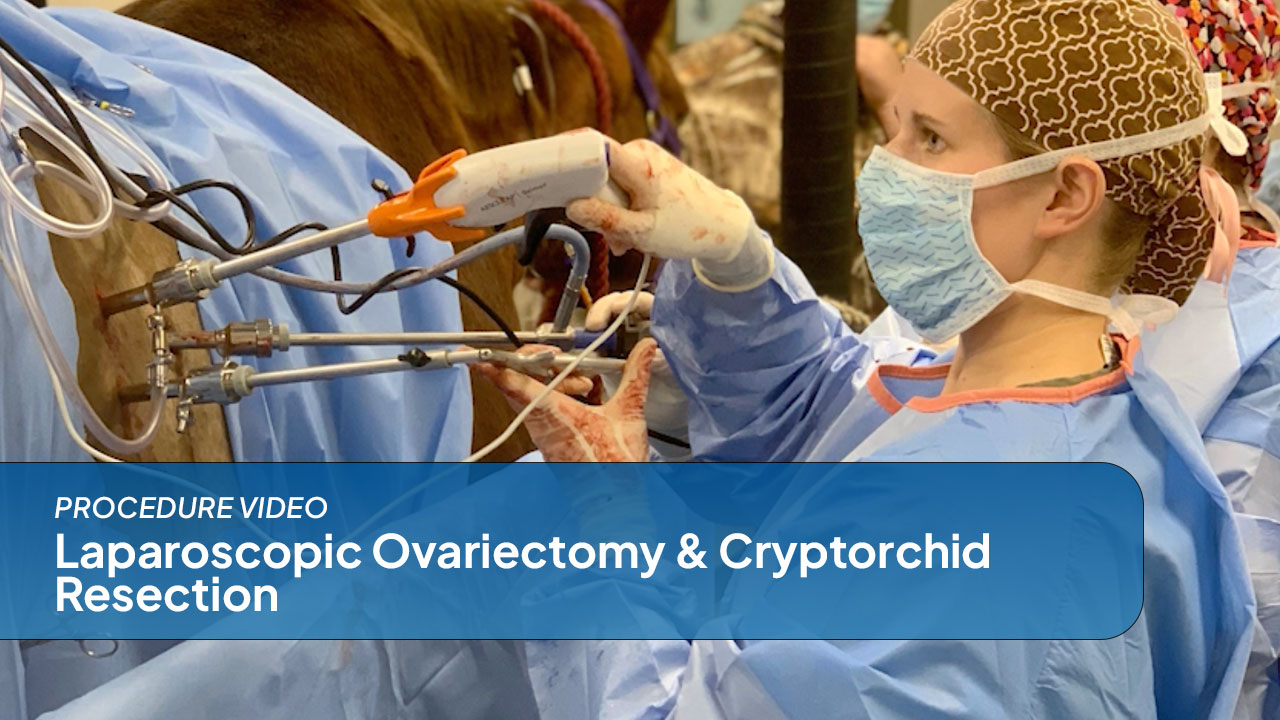
While laparoscopic ovariectomy (lap spay) is one of the most common procedures, VetOvation’s laparoscopy systems also support a wide range of minimally invasive procedures including gastropexy, liver biopsies, and other minimally invasive soft tissue procedures. Otoscopy, cystoscopy, rhinoscopy, and arthroscopy are also possible with the same equipment. The same core tower, trocars, and camera system used for spay can be applied across multiple procedures, maximizing the return on the equipment investment. Its versatility allows practices to expand their surgical offerings while improving patient outcomes.
What training is required to begin performing minimally invasive surgery?
Most veterinarians can begin performing basic laparoscopic procedures after completing focused hands‑on training. Our team provides education, onboarding support, and workflow guidance to help practices integrate minimally invasive techniques safely and confidently.
What equipment is included in the laparoscopic surgical system?
The system typically includes a tower, laparoscope, camera, light source, insufflator, monitor, trocars, and reusable instruments/accessories. Each component is designed to work together to deliver clear visualization and precise surgical control. Additional accessories can be added based on the procedures your practice performs.
What laparoscopic equipment do I need for a veterinary spay (ovariectomy)?
To perform a laparoscopic ovariectomy, a veterinary practice needs a laparoscopy tower (laparoscope, camera, light source, insufflator, and monitor), reusable trocars for port access, a vessel sealer for hemostasis, and a sterilization system for instrument reprocessing.
What laparoscopic instruments and accessories are needed for veterinary spays?
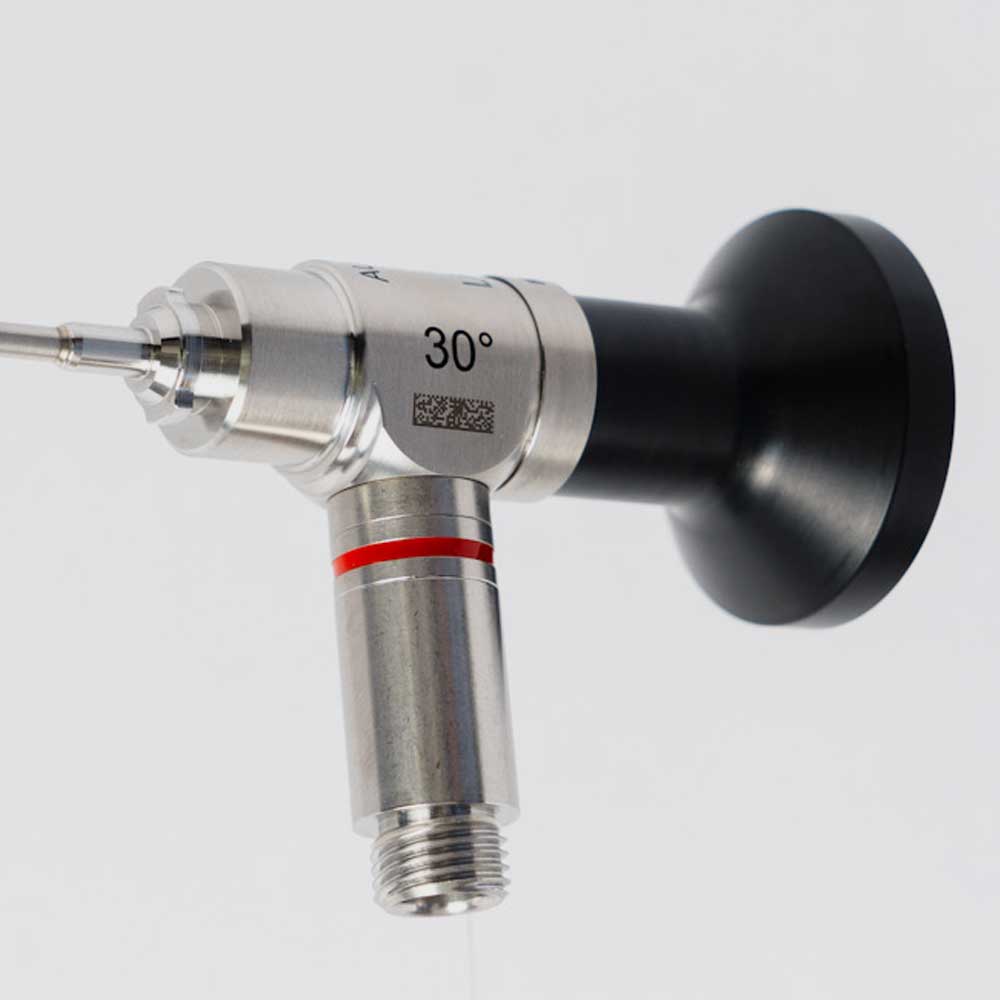
For laparoscopic ovariectomy (lap spay), a veterinary practice needs: (1) rigid laparoscope (typically 5mm, 0° or 30°), (2) CO2 insufflator with tubing, (3) 2–3 trocars (5mm x 70–80mm reusable), (4) laparoscopic grasper (e.g., MiniLap Grasper), (5) vessel sealer (Voyant Fine Fusion for hemostasis), (6) light source and camera system, (7) gas plasma sterilizer (Sterlink U-510) for instrument reprocessing.
What trocars are used for laparoscopic spay in dogs?
A standard laparoscopic ovariectomy in dogs typically uses 5mm trocars. VetOvation offers the Metal Ribbed Trocar 5mm x 70mm Reusable, a stainless steel reusable option, as the Bladed Trocar 5mm x 100mm and the Balloon Trocar 5mm x 75mm as different alternatives for port access.
Does VetOvation offer complete laparoscopy systems for new practices?
Yes. VetOvation offers full laparoscopy tower systems for practices starting out, available as new or certified pre-owned equipment. The Endoscopy + Laparoscopy Surgical System, including the Vessel Sealer, is an all-in-one solution that combines camera, light source, insufflator, monitor, and vessel sealing in a single package. Individual components are also available separately.