Explore

Orthopedic Instruments

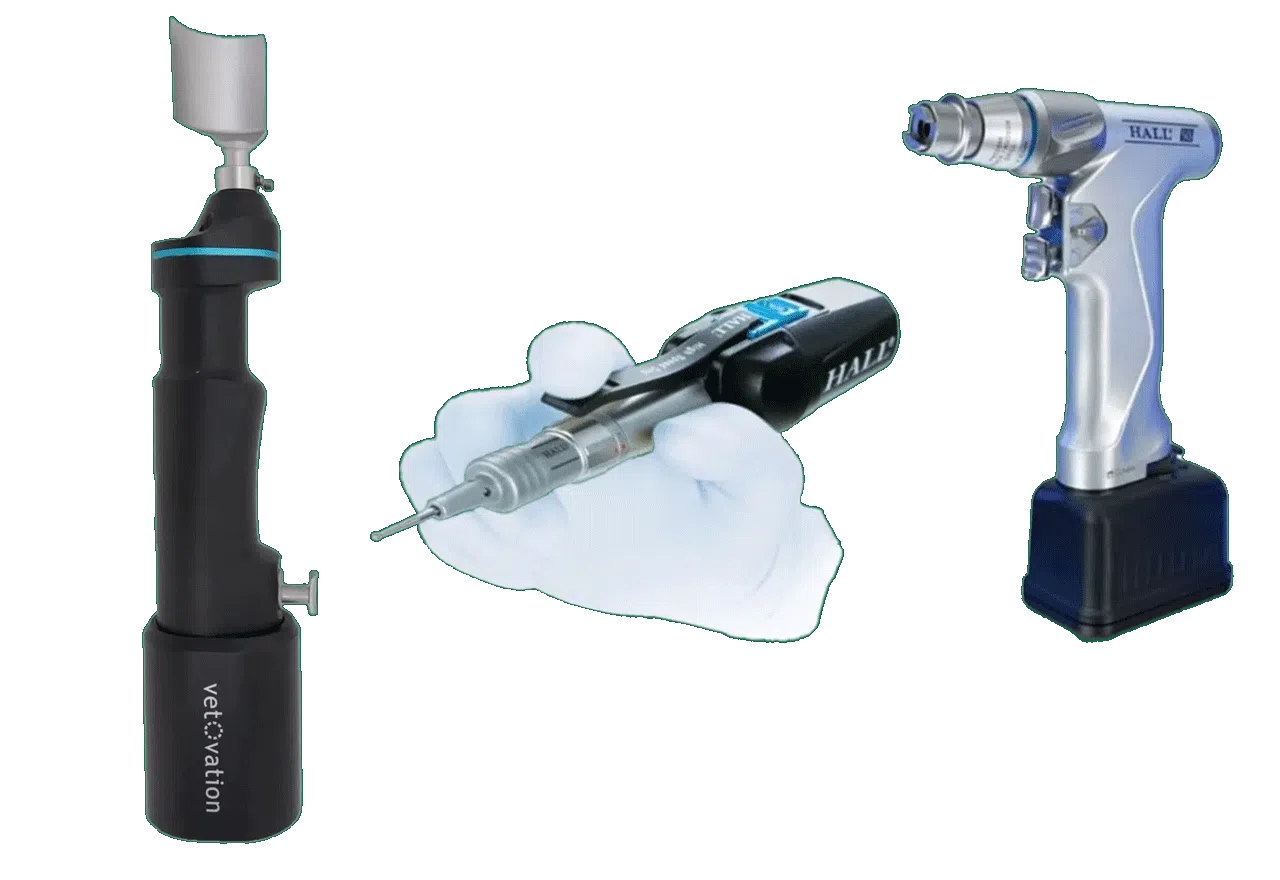
Orthopedic Solutions for Veterinary Practices

VetOvation is proud to offer a range of orthopedic implants and instruments to meet any practice need and budget. In collaboration with German implant designer and manufacturer, Rita Leibinger Medical, we supply high quality German implants and instruments that are tailored specifically for veterinary practices. Recognizing the evolving needs of veterinary orthopedic surgery, VetOvation focuses on affordable high-quality solutions that can be customized to ensure a customer-first mentality.

Shop Orthopedic Instruments Products

  • Price range: $250.00 through $800.00
    Select options This product has multiple variants. The options may be chosen on the product page
  • $14.00
    Select options This product has multiple variants. The options may be chosen on the product page
  • Price range: $2.50 through $5.00
    Select options This product has multiple variants. The options may be chosen on the product page
  • Price range: $28.00 through $195.00
    Select options This product has multiple variants. The options may be chosen on the product page
  • Available on backorder

    Price range: $28.00 through $195.00
    Select options This product has multiple variants. The options may be chosen on the product page

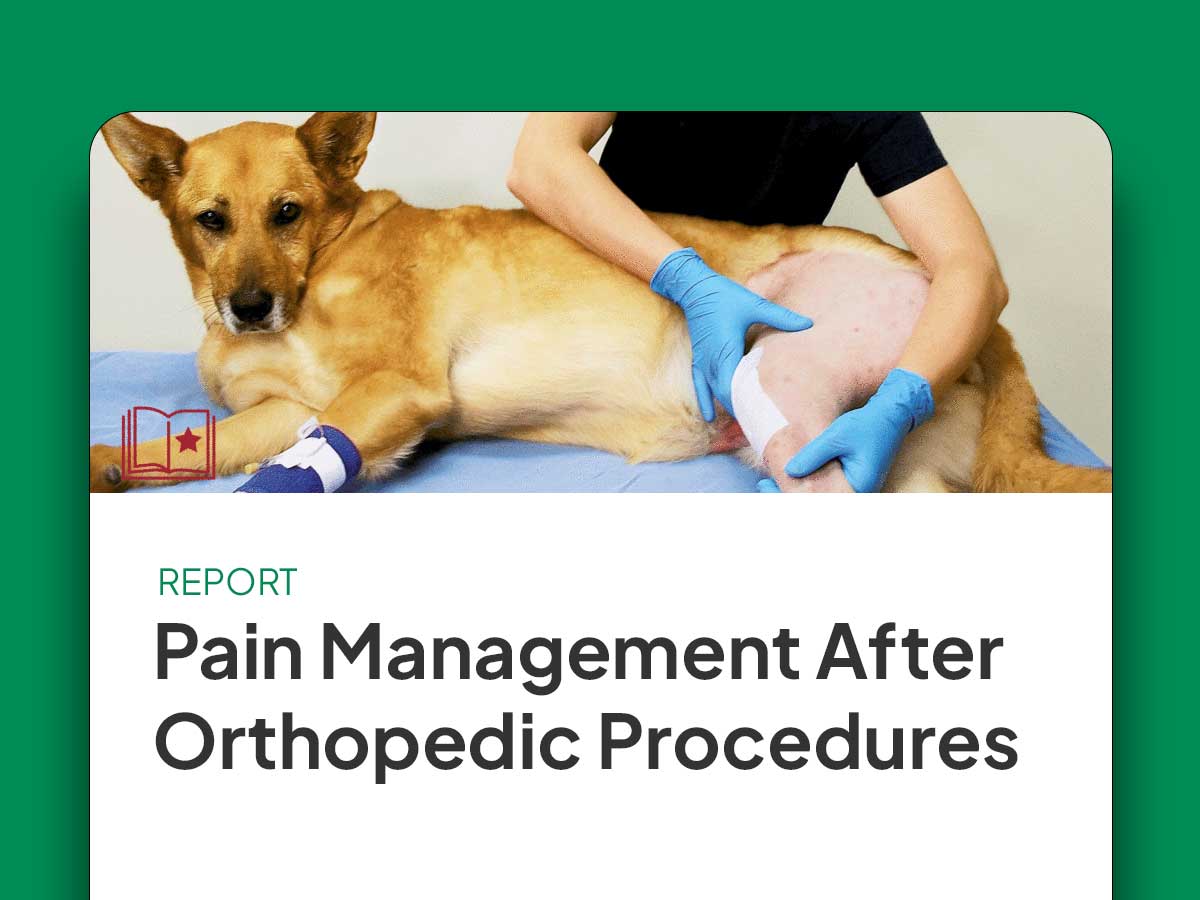
Pain Management in Orthopedic Procedures

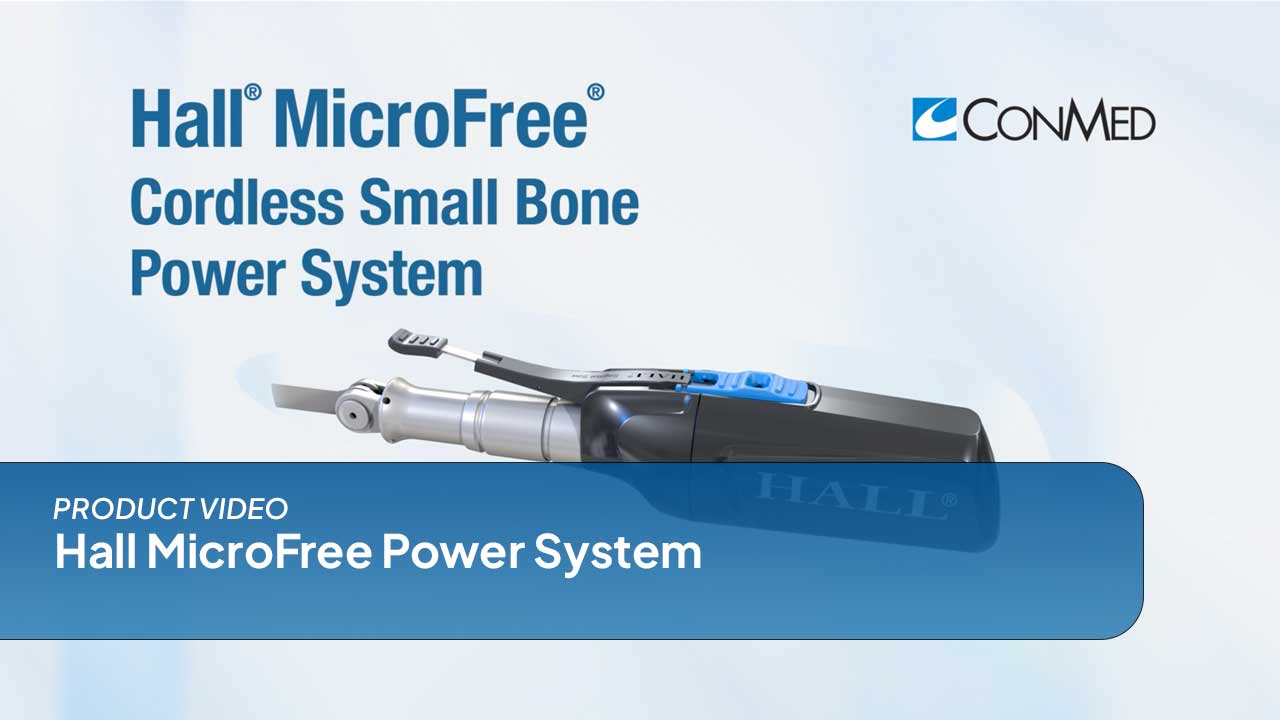
Featured Videos

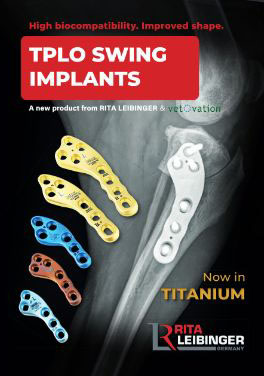
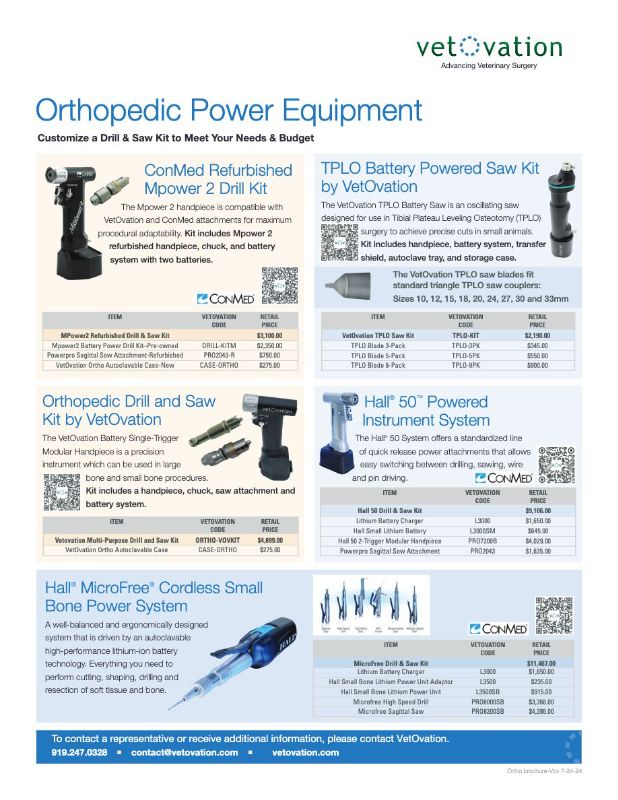
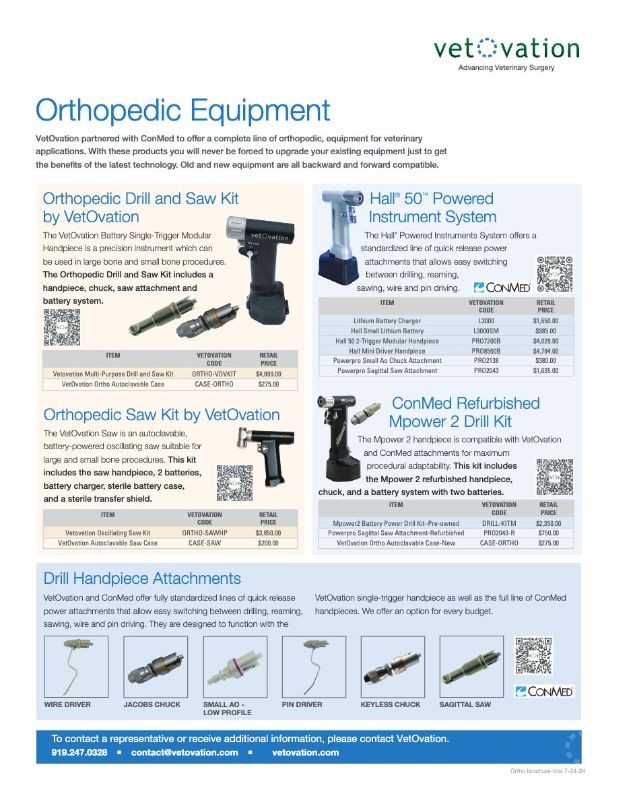
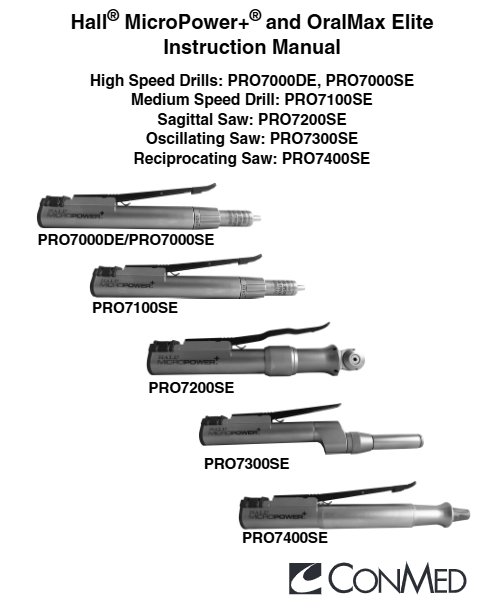
Product Brochures

Frequently Asked Questions

These FAQs answer the most common questions veterinarians ask about veterinary orthopedic instruments, including instrument sets, TPLO tools, fracture repair instruments, and specialty orthopedic equipment. The information below is designed to help practices understand instrument selection, common orthopedic procedures, and the role specialized instruments play in successful veterinary surgery.

Veterinary orthopedic instruments are specialized surgical tools used for fracture repair, TPLO surgery, joint stabilization, osteotomies, and other orthopedic procedures. These instruments are designed to provide precise bone manipulation, implant placement, and fixation during surgery. Common examples include bone holding forceps, reduction forceps, drill guides, osteotomes, and TPLO-specific instruments.


Orthopedic instruments are commonly used for fracture repair, TPLO surgery, patellar luxation correction, arthrodesis, corrective osteotomies, and trauma surgery. Specialized instruments help surgeons accurately prepare bone, position implants, and achieve stable fixation throughout the procedure.

A veterinary orthopedic instrument set typically includes bone holding forceps, reduction forceps, drill guides, depth gauges, screwdrivers, wire cutters, pin drivers, and implant-specific instrumentation. The exact contents vary depending on the procedures performed and the implant systems used by the practice.

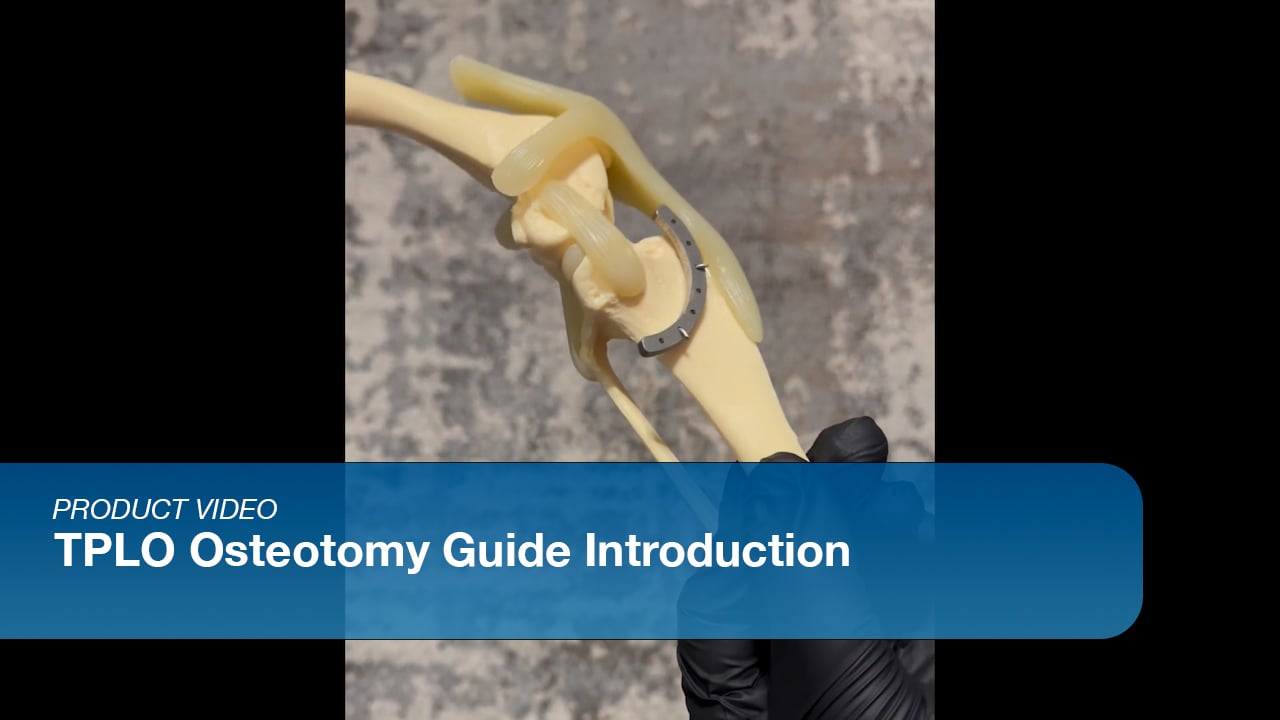
A TPLO osteotomy guide helps surgeons accurately position and perform the curved bone cut required during Tibial Plateau Leveling Osteotomy surgery. Proper guide placement helps improve precision, consistency, and implant alignment during cruciate ligament stabilization procedures.


The best orthopedic instruments depend on the procedures you perform, implant systems used, patient sizes treated, and surgeon preferences. Practices performing advanced fracture repair or TPLO surgery often benefit from dedicated instrument sets designed for those specific procedures.

Many orthopedic instruments are designed to work across multiple implant platforms, while some are specific to certain plating systems or screw designs. Compatibility should be verified before purchasing instruments to ensure they match the implant systems used in your practice.

K-wires (Kirschner wires) and orthopedic pins are commonly used for temporary fixation, fracture stabilization, pinning procedures, and surgical guidance. They play an important role in many orthopedic procedures and are available in multiple diameters to accommodate different patient sizes.


High-quality orthopedic instruments provide improved durability, precision, and reliability during surgery. Well-designed instruments can enhance surgical efficiency, reduce operating time, and help veterinarians achieve consistent orthopedic outcomes across a wide range of procedures.

Shopping Cart
Scroll to Top