

Veterinary Sterilization

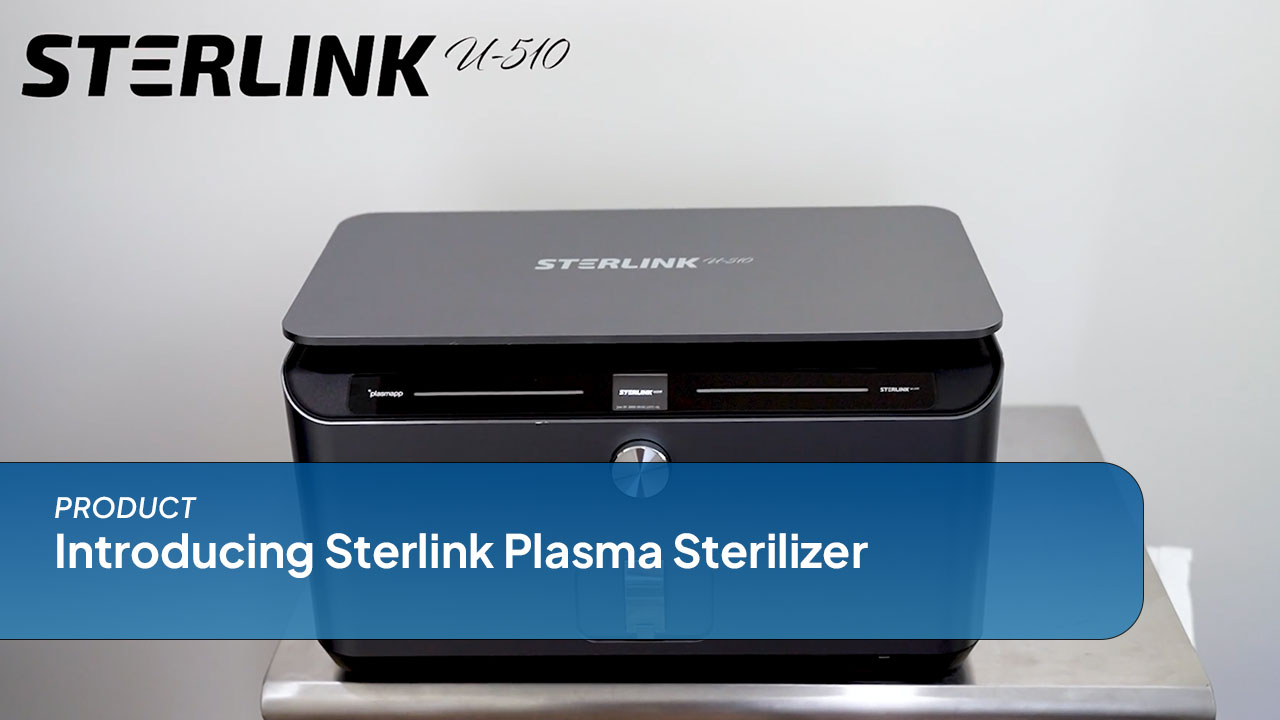
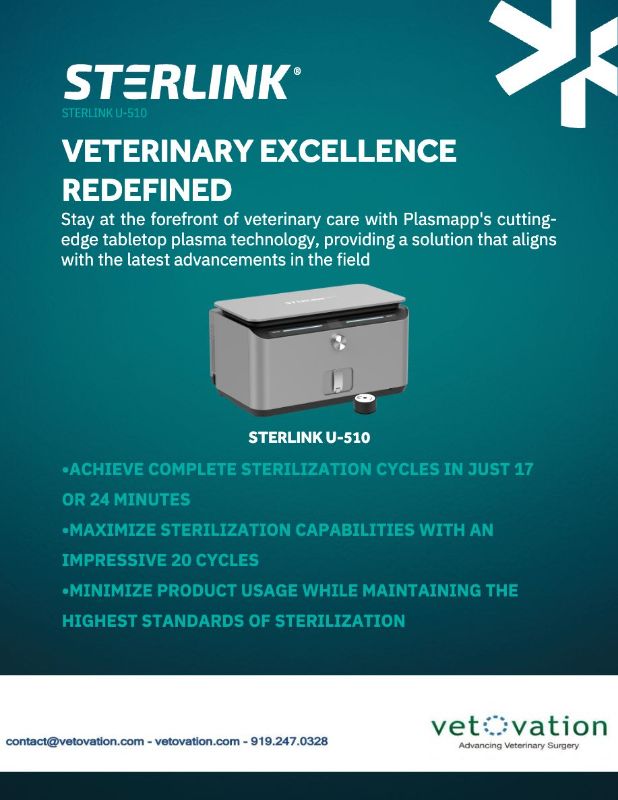
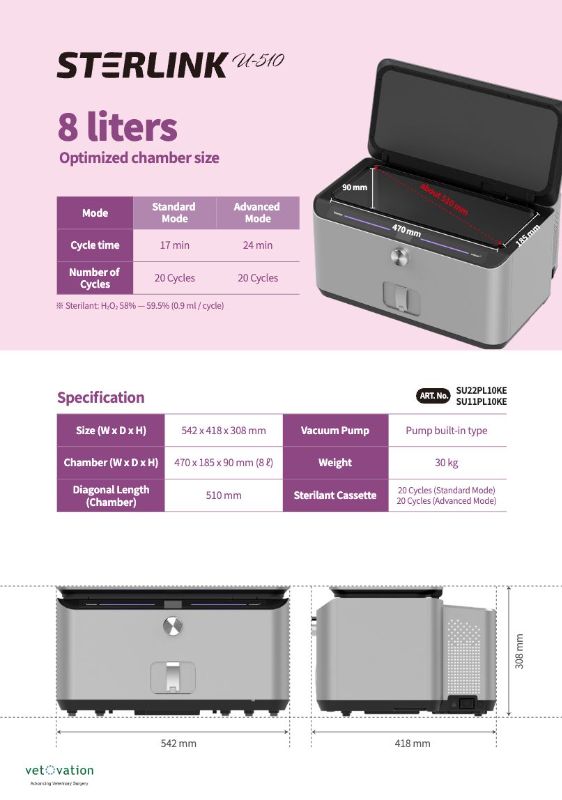
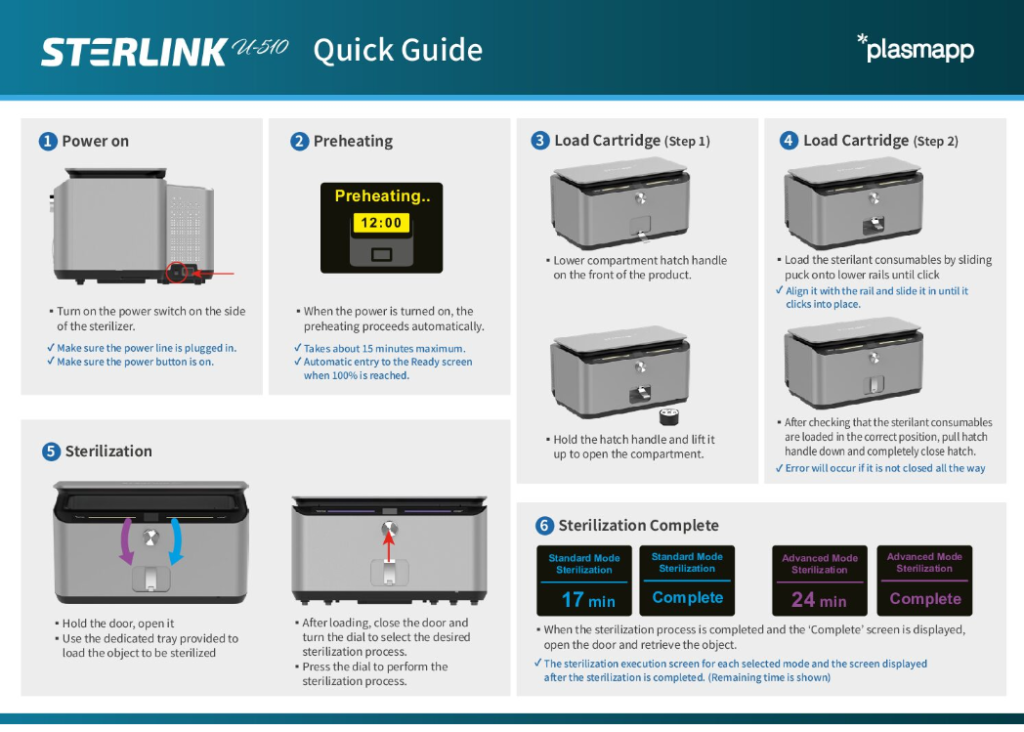
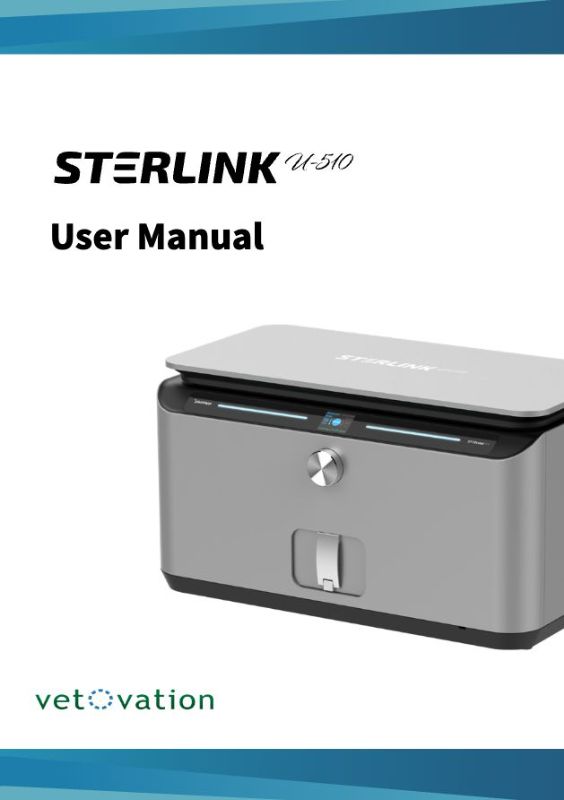
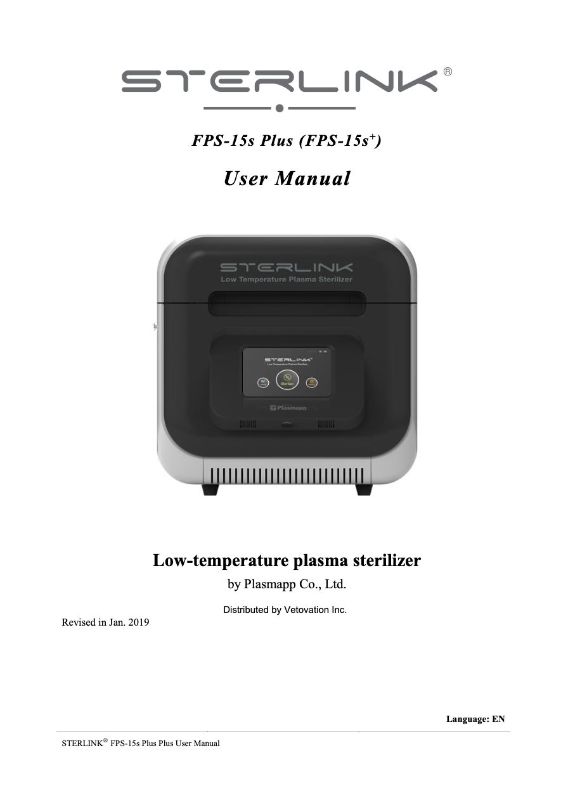
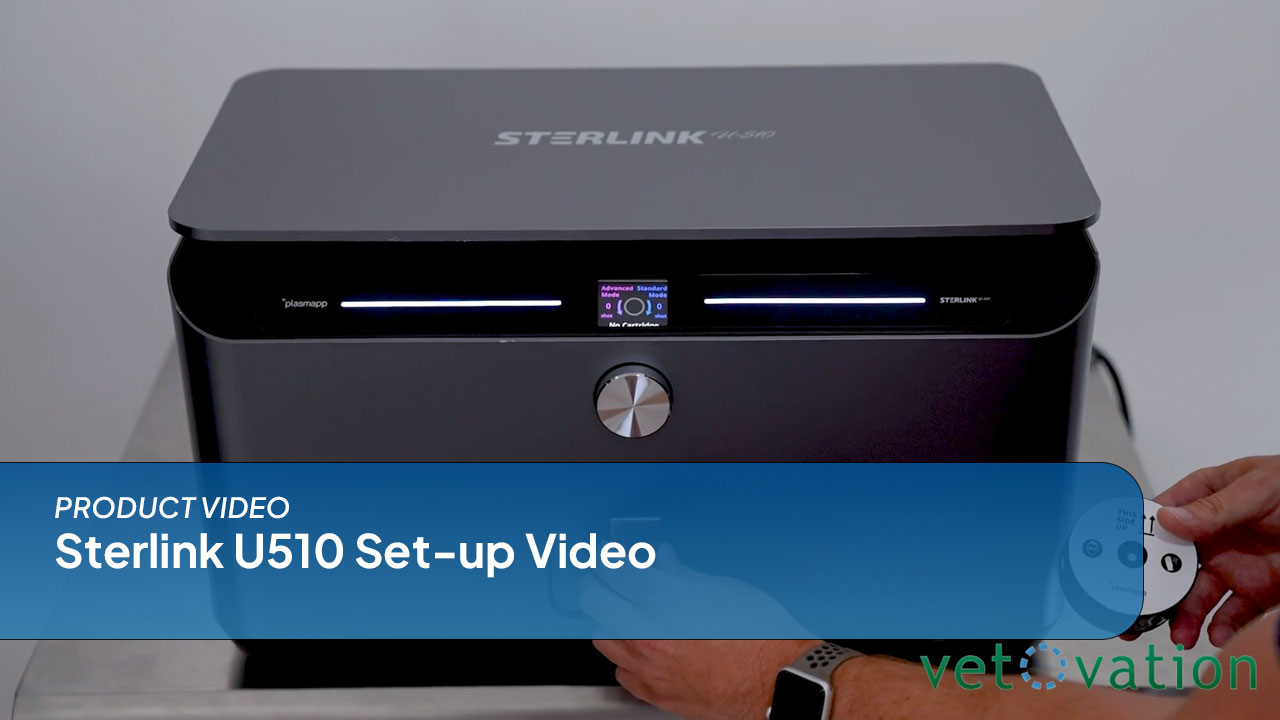
Sterlink Sterilizer & Accessories – Achieve efficient low-temperature sterilization for your veterinary practice. The Sterlink Sterilizer utilizes gas plasma and vaporized hydrogen peroxide as a safer and faster alternative to the toxic ethylene oxide gas (EtO). The U-510 sterilizer is ideal for sterilizing single-patient use items, vessel sealing handles, batteries, drills, scopes, and camera heads, with sterilization cycles ranging from 17 to 24 minutes. Enhance your sterilization process with our range of compatible accessories, designed to ensure optimal performance and convenience for your practice’s equipment sterilization needs.
Designed for:
Single patient use disposable equipment along with delicate surgical items.
Shop Sterilization Products
Other Categories
-
$90.00 – $250.00Price range: $90.00 through $250.00Select options This product has multiple variants. The options may be chosen on the product page
-
Out of stock
$75.00 – $320.00Price range: $75.00 through $320.00Select options This product has multiple variants. The options may be chosen on the product page -
$85.00 – $240.00Price range: $85.00 through $240.00Select options This product has multiple variants. The options may be chosen on the product page
-
$175.00 – $350.00Price range: $175.00 through $350.00Select options This product has multiple variants. The options may be chosen on the product page
-
$35.00 – $299.00Price range: $35.00 through $299.00Select options This product has multiple variants. The options may be chosen on the product page
-
$28.00 – $375.00Price range: $28.00 through $375.00Select options This product has multiple variants. The options may be chosen on the product page
-
$18.00 – $160.00Price range: $18.00 through $160.00Select options This product has multiple variants. The options may be chosen on the product page
Featured Videos
Frequently Asked Questions
These FAQs answer the most common questions veterinarians ask about veterinary gas sterilization, including how gas sterilizers work, what equipment can be sterilized, and the benefits of low-temperature sterilization for delicate surgical instruments. The information below is designed to help practices understand how gas sterilization supports safe, effective instrument reprocessing for minimally invasive veterinary procedures.
What is veterinary gas sterilization?
Veterinary gas sterilization is a low-temperature sterilization method used to eliminate bacteria, viruses, fungi, and other microorganisms from surgical instruments and medical equipment. It is commonly used for heat-sensitive devices that cannot withstand traditional steam sterilization. Gas sterilization helps maintain instrument performance while supporting patient safety.
How does a gas plasma sterilizer work?
A gas plasma sterilizer uses vaporized hydrogen peroxide to sterilize instruments at low temperatures. The sterilization process effectively destroys microorganisms while minimizing heat exposure, making it ideal for delicate endoscopic, laparoscopic, and powered surgical equipment. Many sterilization cycles can be completed in less than 30 minutes.
What equipment can be sterilized using veterinary gas sterilization?
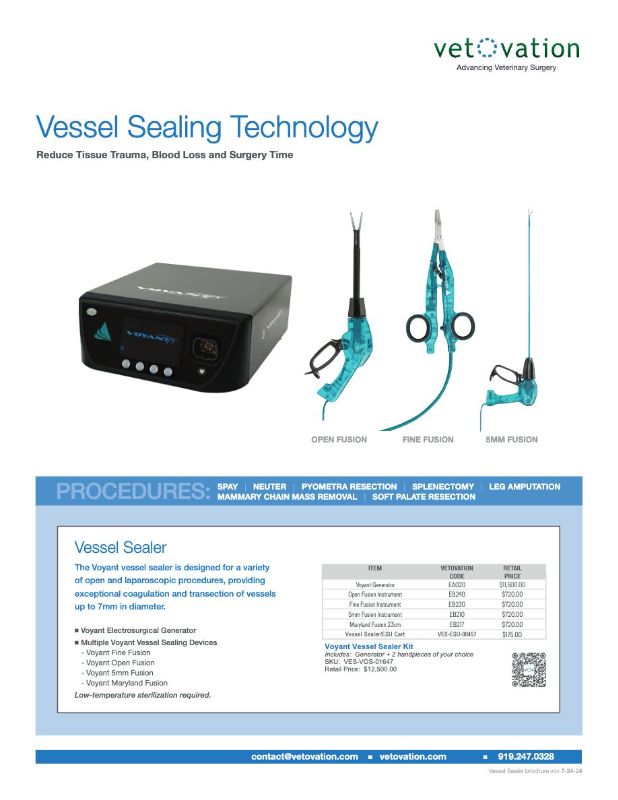
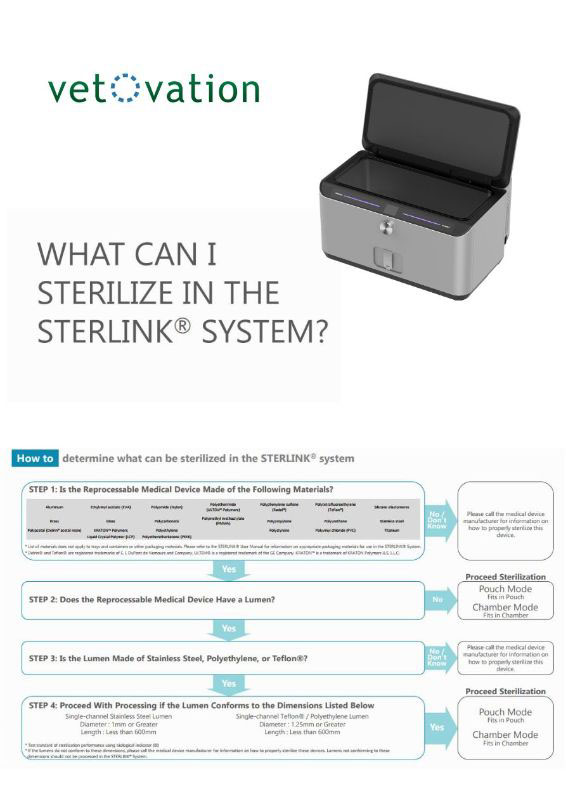
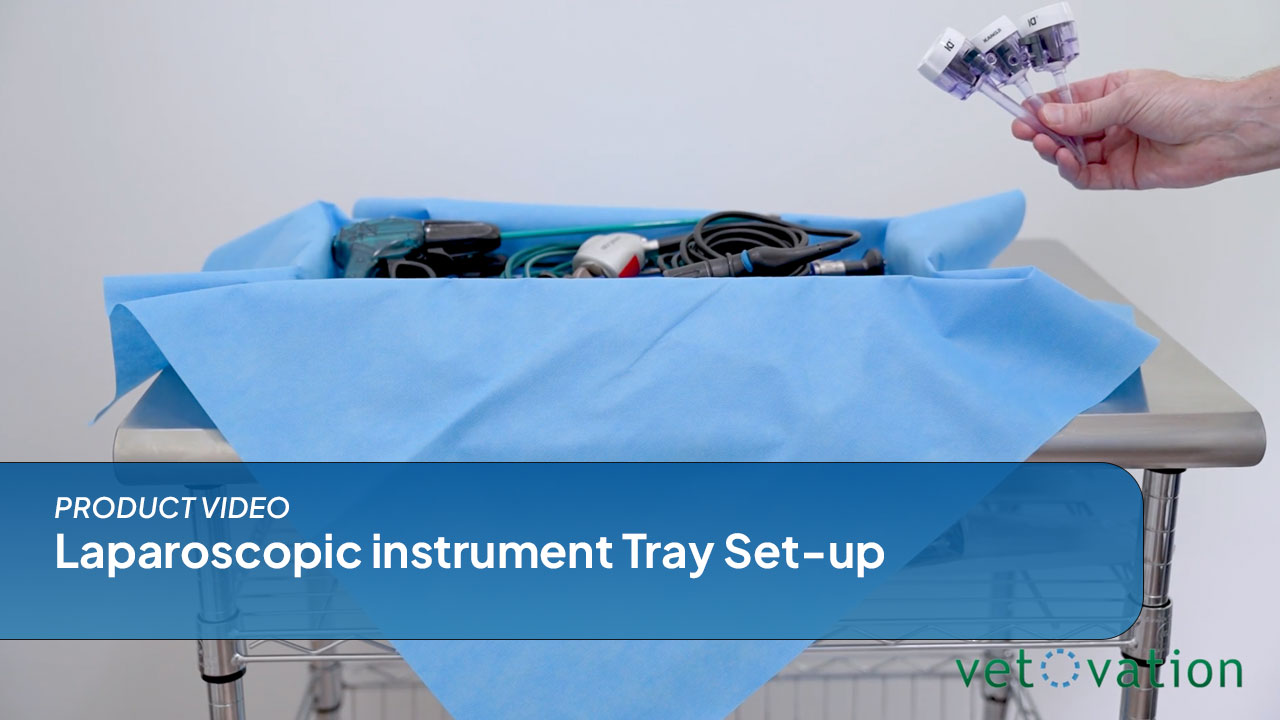
Veterinary gas sterilizers are commonly used to sterilize endoscopes, laparoscopic instruments, vessel sealing devices, camera heads, batteries, drills, otoscopes, rhinoscopes, and other heat-sensitive equipment. Low-temperature sterilization helps preserve the integrity of delicate instruments while ensuring they are ready for clinical use.
What are the advantages of gas sterilization compared to steam sterilization?
Gas sterilization operates at significantly lower temperatures than steam sterilization, making it suitable for sensitive instruments that could be damaged by heat or moisture. This allows veterinary practices to safely sterilize advanced surgical equipment while extending instrument lifespan and maintaining performance.
What is the difference between hydrogen peroxide gas plasma and EtO sterilization?
Hydrogen peroxide gas plasma sterilization uses low-temperature vaporized hydrogen peroxide and typically offers shorter cycle times. Ethylene oxide (EtO) sterilization is another low-temperature method that can be used for a wide range of instruments but often requires longer processing and aeration times. Both methods are commonly used for heat-sensitive veterinary equipment.
Why is gas sterilization important for veterinary endoscopy and laparoscopy?
Many endoscopic and laparoscopic instruments contain sensitive optics, electronics, and materials that may be damaged by repeated steam sterilization. Gas sterilization provides an effective method for eliminating microorganisms while protecting the equipment used in minimally invasive veterinary procedures.
What accessories are needed for veterinary gas sterilization?
Common gas sterilization accessories include sterilization pouches, wraps, indicator strips, cartridges, sterilization tubing, and monitoring supplies. These accessories help verify sterilization performance and ensure instruments are properly packaged and processed.
How do I choose the right gas sterilizer for my veterinary practice?
The ideal gas sterilizer depends on the types of instruments you process, procedure volume, available space, and preferred sterilization method. Practices performing minimally invasive surgery often benefit from low-temperature systems that can process delicate equipment quickly and efficiently.