Orthopedic Implants
Orthopedic Solutions for Veterinary Practices
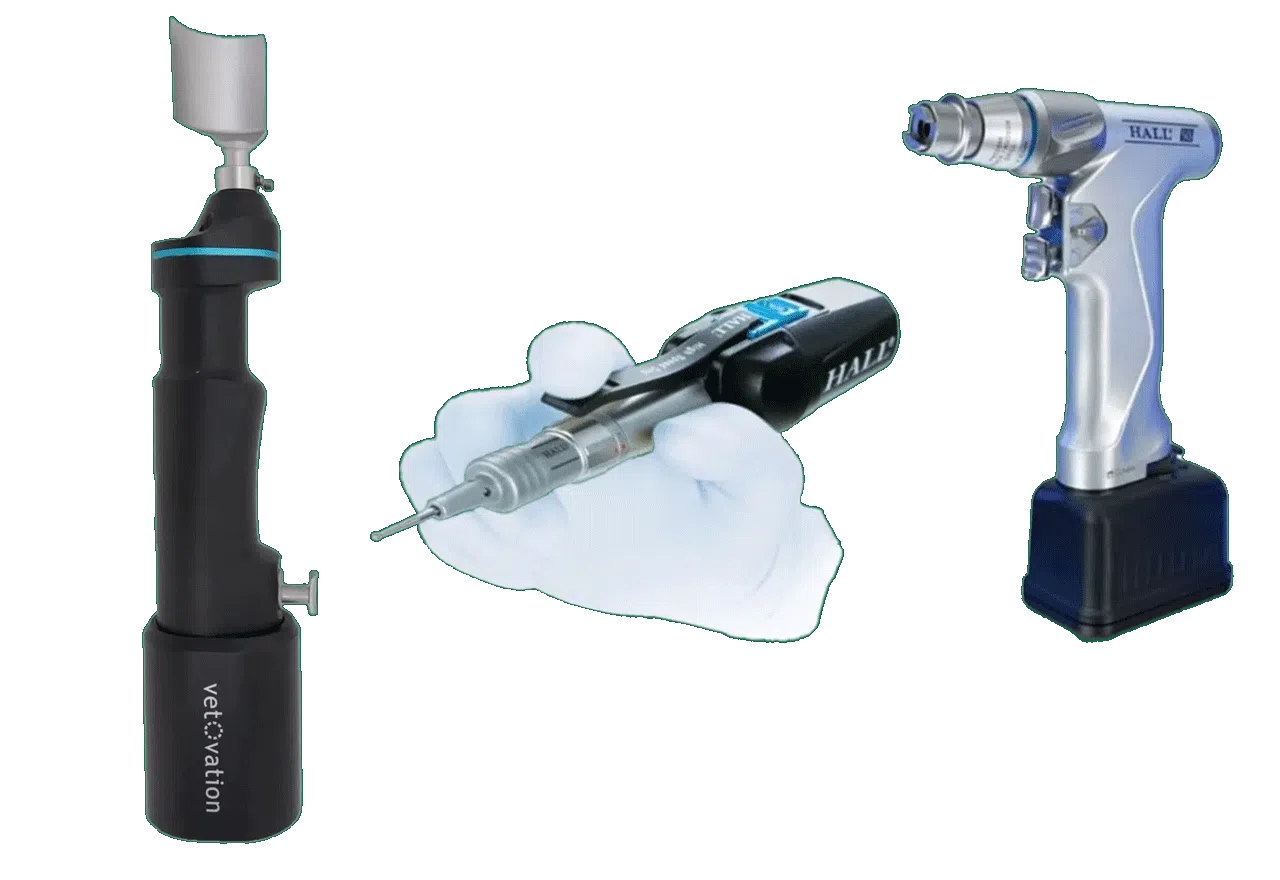
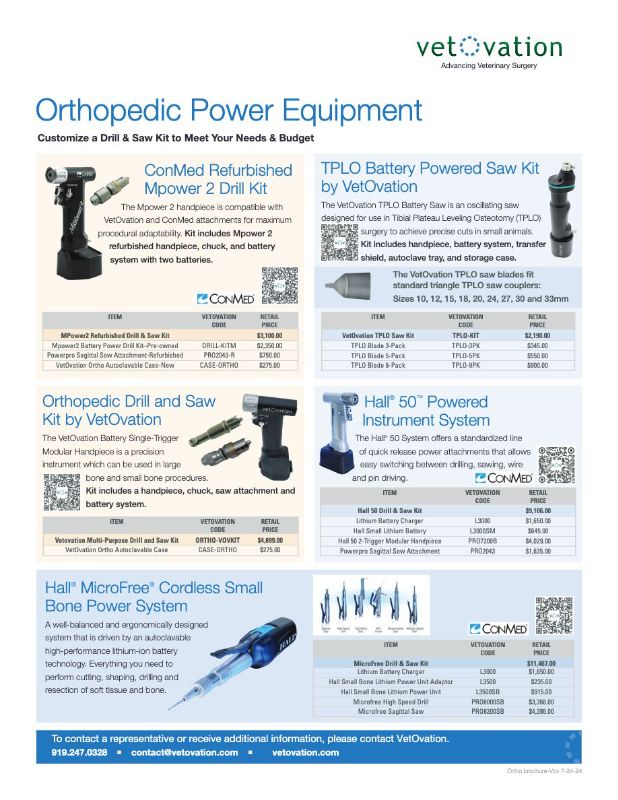
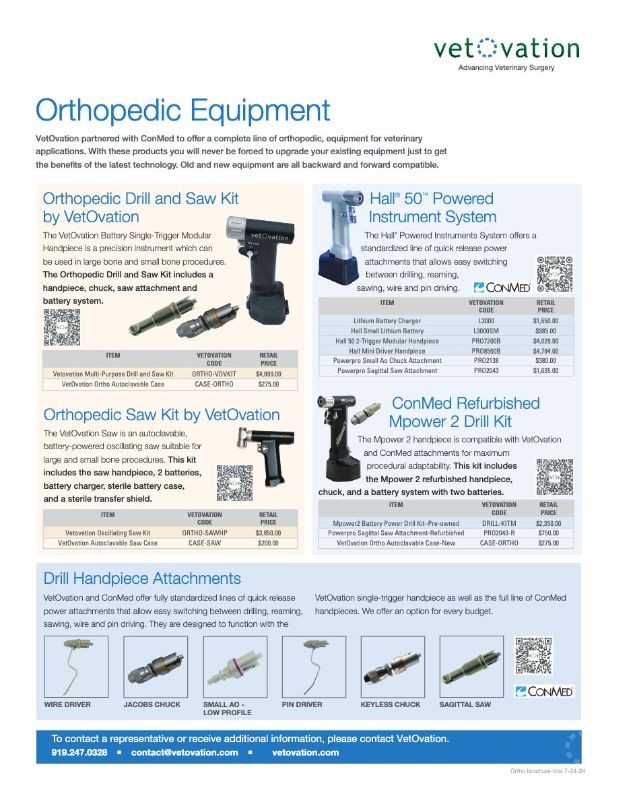
VetOvation is proud to offer a range of orthopedic implants and instruments to meet any practice need and budget. In collaboration with German implant designer and manufacturer, Rita Leibinger Medical, we supply high quality German implants and instruments that are tailored specifically for veterinary practices. Recognizing the evolving needs of veterinary orthopedic surgery, VetOvation focuses on affordable high-quality solutions that can be customized to ensure a customer-first mentality.
Orthopedic Implants Categories
Shop Orthopedic Implants Products
Product Categories
-
$20.00Select options This product has multiple variants. The options may be chosen on the product page
-
$20.00Select options This product has multiple variants. The options may be chosen on the product page
-
$95.00 – $140.00Price range: $95.00 through $140.00Select options This product has multiple variants. The options may be chosen on the product page
-
$145.00 – $268.00Price range: $145.00 through $268.00Select options This product has multiple variants. The options may be chosen on the product page
-
$250.00 – $800.00Price range: $250.00 through $800.00Select options This product has multiple variants. The options may be chosen on the product page
-
$5,275.00 – $7,500.00Price range: $5,275.00 through $7,500.00Select options This product has multiple variants. The options may be chosen on the product page
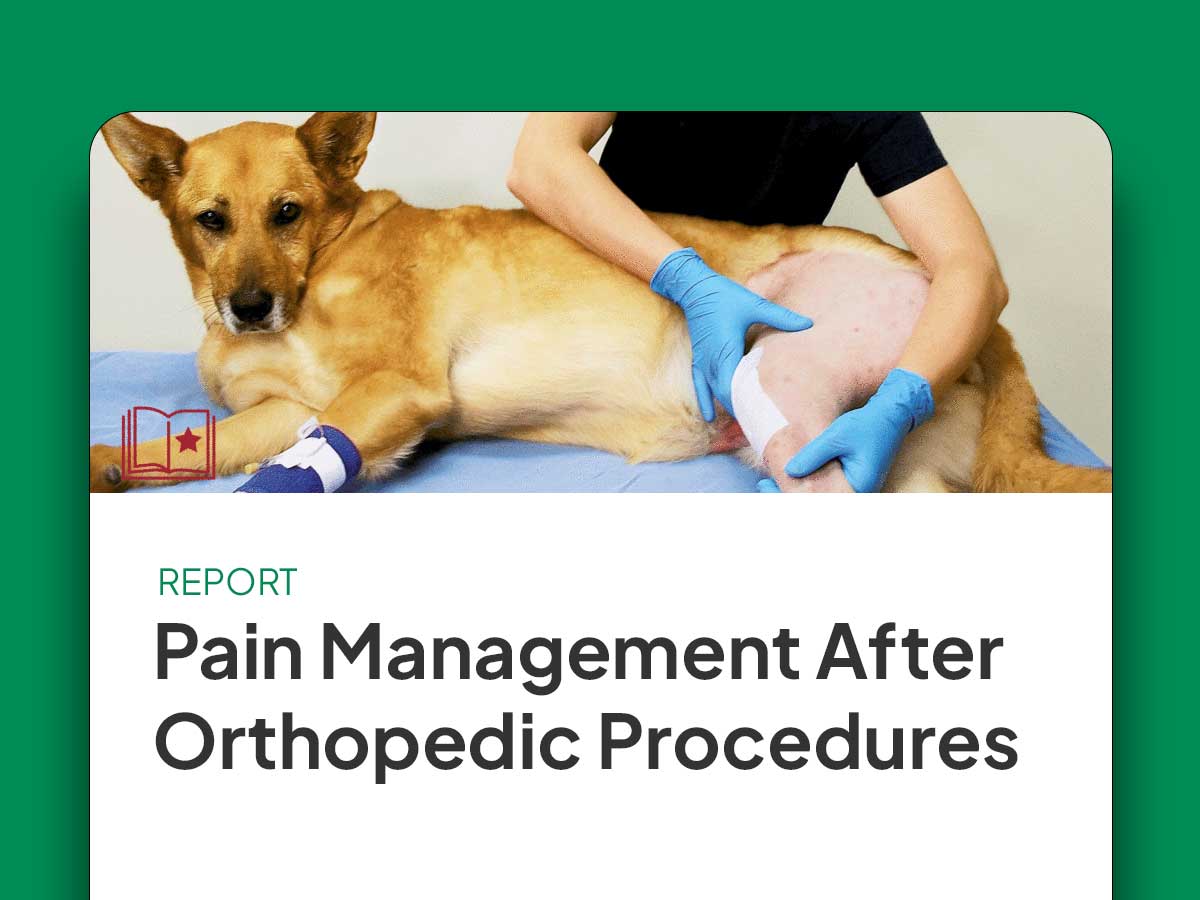
Pain Management in Orthopedic Procedures
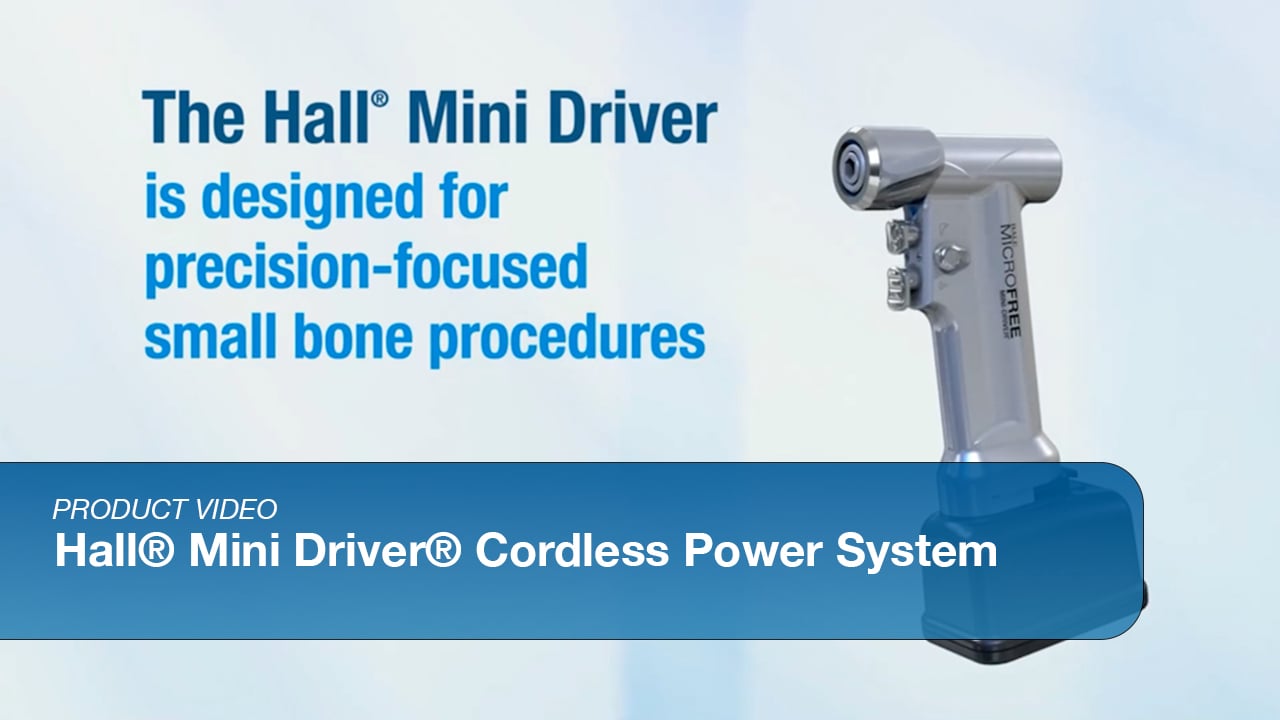
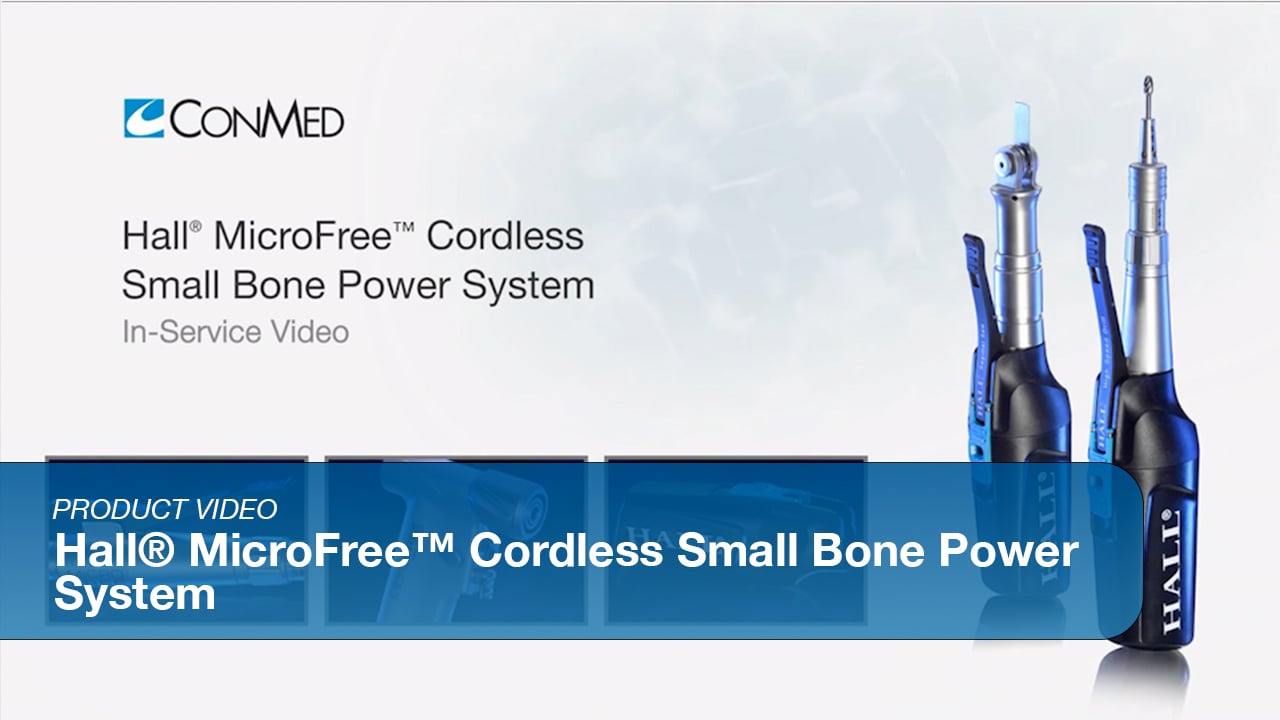
Featured Videos
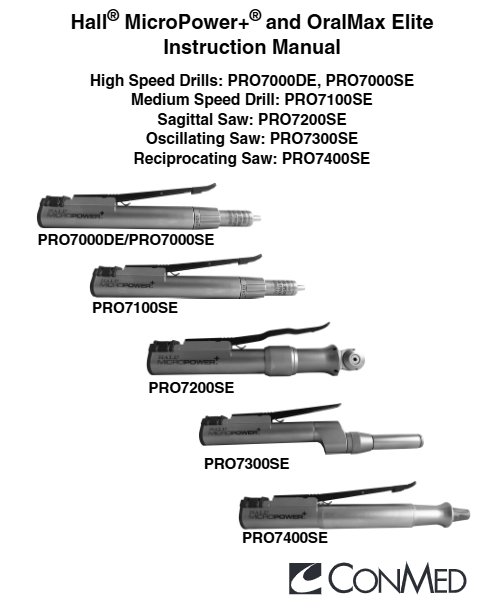
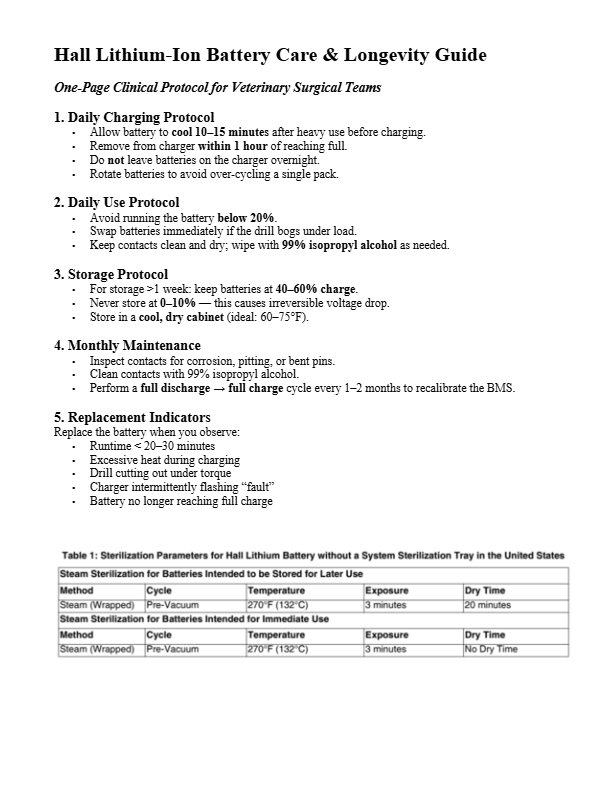
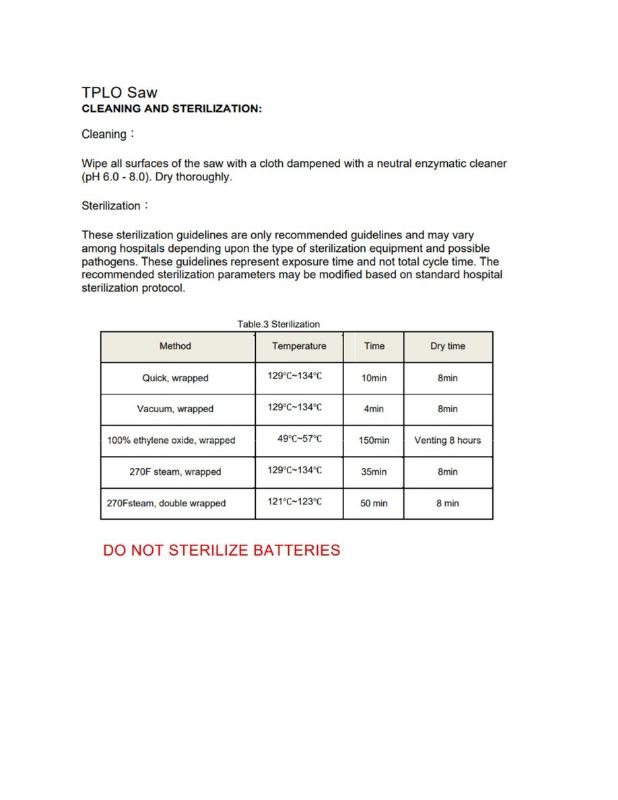
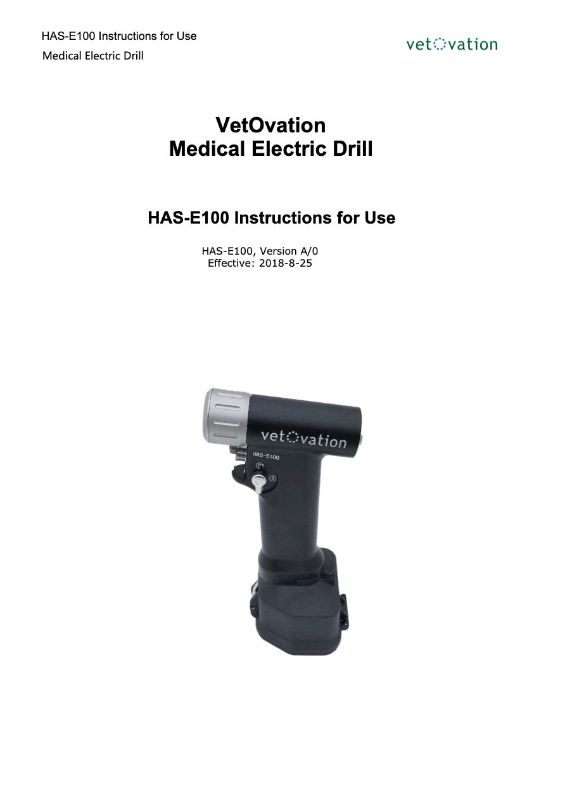
User Manuals
Frequently Asked Questions
These FAQs answer the most common questions veterinarians ask about veterinary orthopedic implants, including fracture plating systems, TPLO implants, locking plates, and orthopedic fixation techniques. The information below is designed to help practices understand implant selection, common applications, and the role orthopedic implants play in modern veterinary surgery.

What are veterinary orthopedic implants?
Veterinary orthopedic implants are medical devices used to stabilize bones, repair fractures, and support healing following orthopedic injury or surgery. Common implants include plates, screws, pins, wires, and TPLO implants designed specifically for veterinary patients. These devices help restore function and promote proper bone healing.
What procedures use veterinary orthopedic implants?
Orthopedic implants are commonly used for fracture repair, TPLO surgery, corrective osteotomies, arthrodesis, and other orthopedic procedures. Implants provide stability during healing and allow surgeons to address traumatic injuries, developmental conditions, and joint disorders.
What is a locking plate system?
A locking plate system uses screws that lock directly into the plate, creating a fixed-angle construct that improves stability. Locking plates are commonly used in veterinary fracture repair because they help maintain alignment while distributing forces across the implant and bone.
What is a TPLO plate used for?
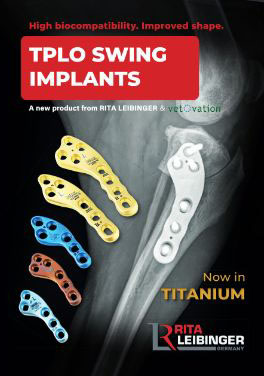
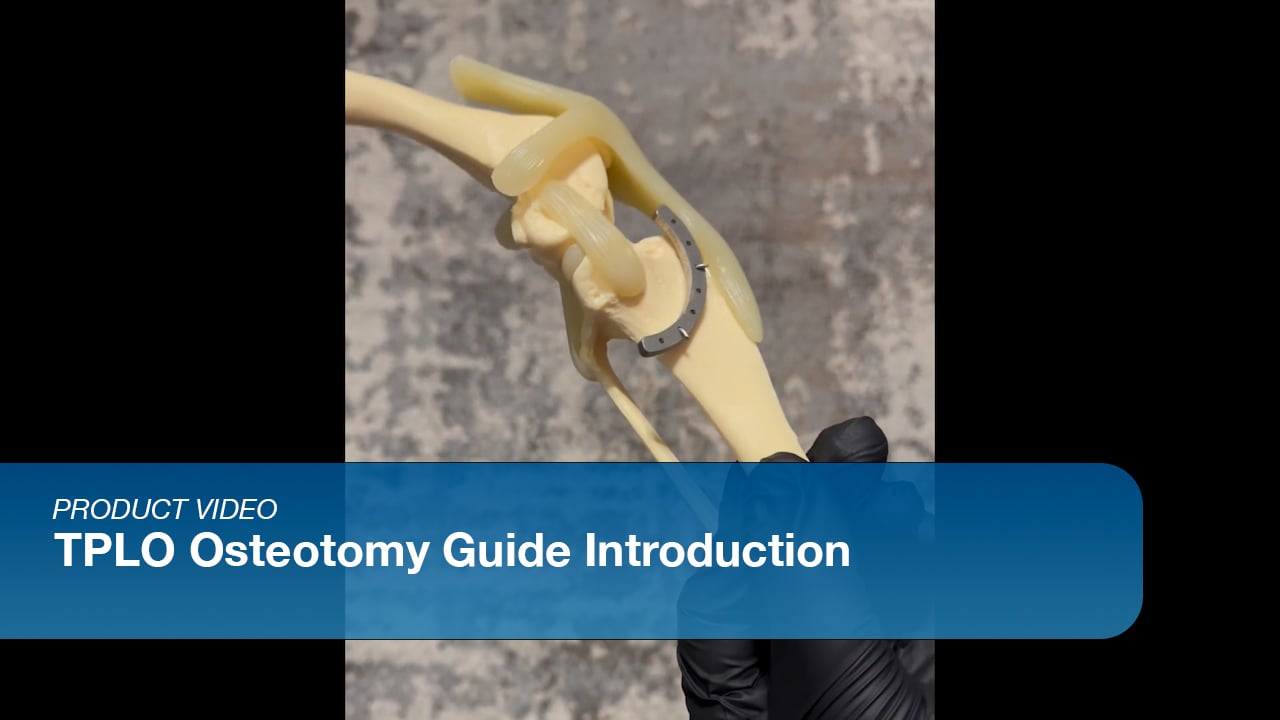
A TPLO (Tibial Plateau Leveling Osteotomy) plate is used during surgery to treat cranial cruciate ligament (CCL) injuries in dogs. The plate stabilizes the tibia following the osteotomy, allowing the bone to heal while restoring function to the stifle joint.
What materials are veterinary orthopedic implants made from?
Veterinary orthopedic implants are commonly manufactured from stainless steel or titanium. Both materials provide excellent strength and biocompatibility, while titanium offers the additional benefits of reduced weight and corrosion resistance.
How do I choose the right orthopedic implant for a patient?
Implant selection depends on factors such as patient size, fracture type, bone quality, anatomical location, and surgical goals. Veterinarians evaluate these factors to determine the most appropriate plate, screw, or fixation system for each case.
What are the benefits of locking plates compared to traditional plates?
Locking plate systems can provide greater construct stability and may reduce the risk of screw loosening in certain cases. Because the screws lock directly into the plate, the system functions as a single unit that helps maintain fracture alignment during healing.
How long do orthopedic implants remain in place?
Many orthopedic implants remain in place permanently unless they cause complications or require removal for a specific medical reason. In most patients, plates and screws remain functional after the bone has healed and do not require additional surgery.